The Importance of Resilience
In today’s rapidly changing world, resilience in supply chains is essential. External factors like economic shifts and natural disruptions can greatly impact logistics. By integrating technology, businesses can increase the flexibility and durability of their supply chains, ensuring they remain robust even in challenging times.
Leveraging Predictive Analytics
Predictive analytics plays a pivotal role in building resilient supply chains. By analysing past data and trends, companies can forecast demand, anticipate disruptions, and make proactive decisions. This foresight allows logistics providers to mitigate potential challenges and allocate resources efficiently.
Automating Operations for Agility
Automation further enhances supply chain resilience by streamlining operations and reducing the risk of human error. Automated tracking systems, real-time inventory management, and process optimisation collectively enable companies to adapt quickly to fluctuations and ensure smooth operational flow.

Strengthen Your Supply Chain with Innovation
Stay prepared for any market condition by embracing resilient supply chain practices. Discover our advanced technological solutions at Truck It In.
Dynamic pricing models are transforming logistics by introducing a flexible approach to rate setting. Unlike traditional pricing, which remains static, dynamic pricing adjusts based on factors like demand, capacity, and external conditions, enabling logistics companies to respond more effectively to market fluctuations.
Benefits for Shippers and Carriers
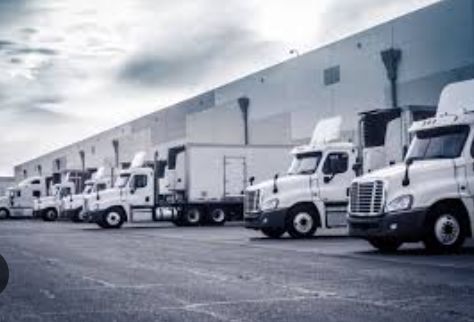
For shippers, dynamic pricing offers more accurate rate predictions and potential cost savings during low-demand periods. Carriers, on the other hand, can maximize revenue by adjusting prices according to real-time supply and demand, optimizing fleet utilization and route efficiency.
Adapting to a Changing Market
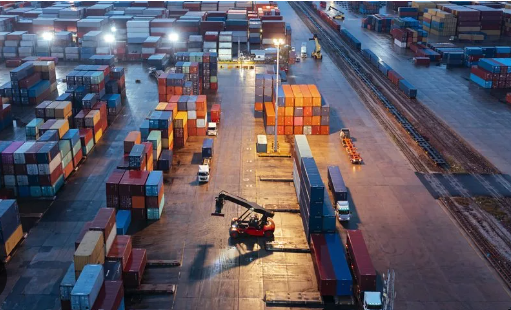
The implementation of dynamic pricing not only allows for better demand forecasting but also promotes resilience in the logistics sector. By adopting this model, companies can maintain competitive advantages and drive efficiency within their operations, paving the way for a more responsive and customer-focused industry.
Explore the Future of Logistics Pricing
Learn more about how dynamic pricing can elevate your logistics strategy at Truck It In.
In today’s logistics landscape, transparency is a critical factor in ensuring smooth operations and building trust with clients. Real-time tracking has become a game-changer for road freight, providing businesses with instant updates on shipment locations and delivery times. This technology allows stakeholders to monitor shipments from origin to destination, ensuring that both clients and logistics teams remain informed every step of the way.
Boosting Efficiency and Accountability
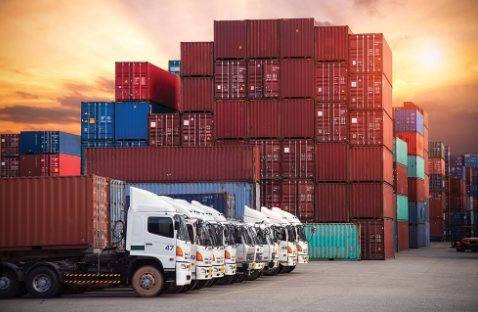
Real-time tracking enhances operational efficiency by allowing companies to optimise routes, reduce delays, and address any issues as they arise. With accurate, up-to-the-minute data, logistics managers can make informed decisions quickly, ensuring that delivery schedules are met and customer expectations are exceeded.
Strengthening Client Relationships
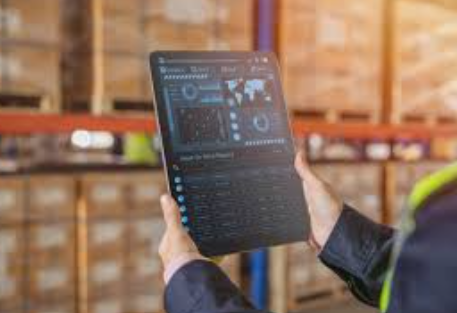
Providing clients with full visibility into their shipments fosters trust and strengthens relationships. By improving communication and reliability, companies can deliver a more seamless experience, building long-term partnerships.
Ready to enhance your logistics operations? Discover real-time tracking solutions at Truck It In and drive transparency in your road freight business.
The logistics industry is seeing a paradigm shift with the rise of digital freight matching platforms. These platforms seamlessly connect shippers and carriers, allowing for faster, more efficient transactions. By leveraging digital tools, shippers can instantly find available carriers, while carriers can optimise load capacity, driving operational efficiency across the supply chain.
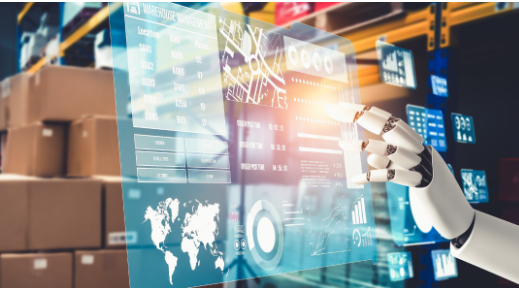
Optimising Load Capacity and Reducing Empty Miles:
One of the biggest challenges in logistics is empty miles—where trucks run with no cargo, wasting fuel and resources. Digital freight matching eliminates this issue by matching the right carriers with available shipments in real-time, optimizing load capacity and reducing operational costs for businesses.
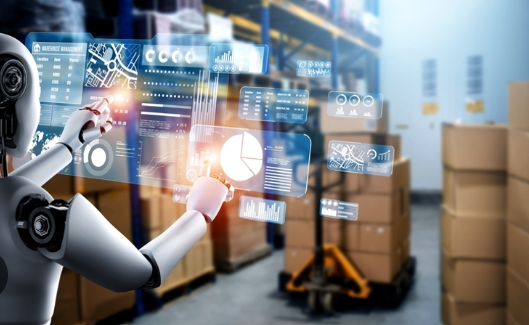
Enhancing Collaboration and Flexibility:
Digital freight matching systems not only improve efficiency but also foster greater collaboration between shippers and carriers. These platforms offer flexibility by allowing users to adjust routes, track deliveries in real time, and adapt to changing demands, all while ensuring timely and cost-effective deliveries.
Explore how Truck It In’s digital freight matching solutions can streamline your operations and create a seamless connection between shippers and carriers.
Learn more at Truck It In and revolutionise your freight logistics today!
In today’s fast-evolving world, staying ahead of the curve in the logistics industry means embracing digital transformation. Advanced digital tools are no longer just a competitive advantage—they are a necessity. From automated tracking systems to predictive analytics, these technologies are reshaping the way logistics businesses operate.
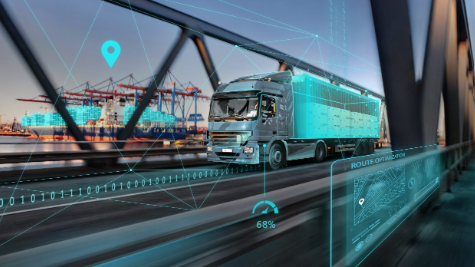
Enhancing Efficiency and Reducing Costs
One of the key benefits of digital tools is the ability to enhance operational efficiency. Transportation Management Systems (TMS) and real-time tracking allow businesses to optimise routes, reduce fuel consumption, and minimise delays. These improvements not only cut costs but also ensure timely deliveries, boosting customer satisfaction.
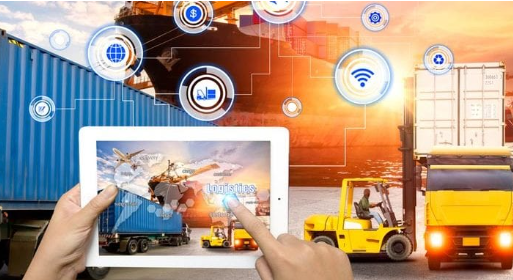
Improving Transparency and Decision-Making
Advanced analytics and data-driven insights provide real-time visibility across the supply chain. This transparency enables better decision-making, allowing businesses to address issues proactively and maintain smooth operations. By future-proofing your logistics business with digital tools, you can ensure long-term success and resilience in an increasingly competitive market.
Ready to future-proof your logistics operations? Explore our advanced digital solutions at https://truckitin.ai/ and stay ahead in the game.
The Intersection of Technology and Efficiency in Road Freight Optimising Operations with Technology
The road freight industry is experiencing a technological revolution that is enhancing efficiency and performance. Advanced tools such as Transportation Management Systems (TMS) are pivotal in optimising route planning and reducing fuel consumption. By leveraging these systems, companies can streamline operations, cut costs and ensure timely deliveries.

Real-Time Tracking and Visibility
Real-time tracking technologies are transforming how businesses manage their shipments. Instant updates on cargo status allow for proactive management of any disruptions, improving supply chain visibility and customer satisfaction. This transparency helps in addressing issues promptly and maintaining smooth operations.

Embracing Technological Advancements
Adopting these technologies is essential for staying competitive in today’s fast-paced logistics environment. Embracing digital solutions can lead to significant cost savings, enhanced operational efficiency and better service quality.
Ready to elevate your road freight efficiency? Discover how our innovative solutions can transform your logistics operations at https://truckitin.ai/
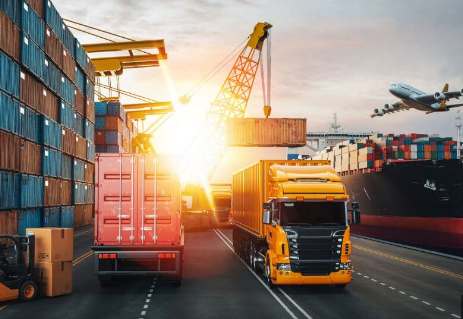
Transportation Management Systems (TMS) play a crucial role in modern logistics, revolutionising how businesses manage their supply chains. TMS provides real-time visibility into shipments, helping companies optimise routes, reduce transportation costs and enhance efficiency.
Automating and Simplifying Operations
By automating processes such as carrier selection, load planning and freight billing, TMS simplifies operations, enabling faster decision-making and reducing manual errors.
Seamless Integration and Informed Decisions
Additionally, TMS integrates seamlessly with other systems, offering comprehensive insights that drive informed decisions.
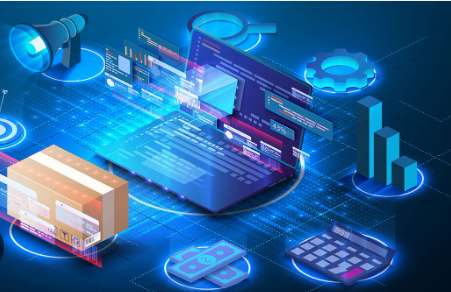
In a world where timely delivery and cost efficiency are paramount, TMS is a vital tool for logistics companies aiming to stay competitive, ensuring that goods reach their destinations in the most efficient manner possible.
Discover the Benefits For more on how TMS can revolutionise your logistics operations, connect with us at Truck It In and take your supply chain to the next level.
Digital transformation is reshaping industries worldwide, and Pakistan’s logistics sector is no exception. The integration of advanced technologies has become a game-changer, driving significant improvements in efficiency, transparency, and customer satisfaction.
One of the most profound impacts of digital transformation in logistics is the enhancement of operational efficiency. Traditional logistics processes often involve manual handling, leading to delays and errors. However, digital tools like Transportation Management Systems (TMS), automated tracking, and real-time data analytics streamline operations. TMS solutions, for instance, optimize route planning, reducing fuel consumption and operational costs. Automated tracking systems provide real-time updates on shipment status, allowing businesses to respond swiftly to disruptions and enhance supply chain management.
Furthermore, digital transformation fosters greater transparency and accountability. Real-time tracking and data visibility enable businesses and customers to monitor shipments throughout the supply chain. This transparency not only builds trust but also helps identify and address issues proactively. For instance, if a shipment is delayed, the system can alert all relevant parties, allowing for quick corrective actions.
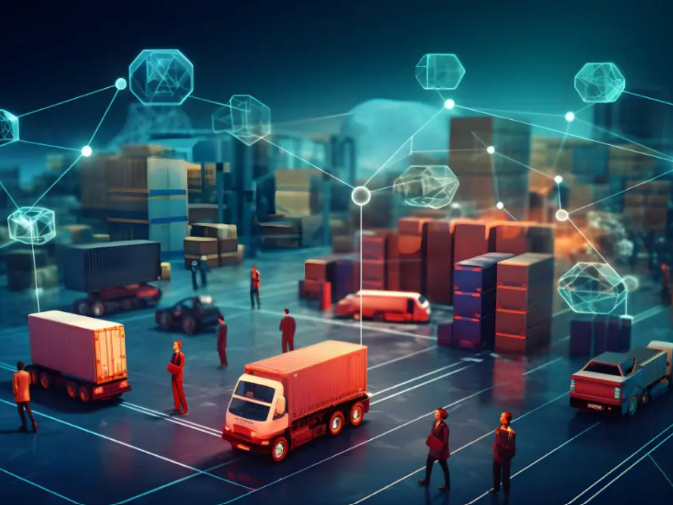
Customer expectations are also evolving with digital advancements. Modern consumers demand timely and accurate deliveries, and digital tools enable logistics providers to meet these expectations effectively. Enhanced tracking capabilities allow customers to receive precise delivery windows, improving their overall experience. Additionally, digital platforms facilitate better communication between logistics providers and customers, enabling prompt resolution of issues and fostering stronger relationships.
Ready to take your logistics operations to the next level? Partner with us to embrace digital transformation and stay ahead in the game. Contact us today to learn how we can optimize your logistics for the future.
Enhancing Profitability via Strategic Route Optimization
Maximizing profitability through effective route planning is essential in today’s competitive business environment. Efficient logistics not only reduces costs but also enhances operational efficiency. Strategic route planning optimizes resources and ensures timely deliveries, which are critical for customer satisfaction and effective supply chain management.
The Importance of Strategic Route Planning
Effective route planning goes beyond finding the shortest path. It involves smart scheduling of deliveries, minimizing empty trips, maximizing vehicle capacity utilization, and ensuring punctual arrivals. These strategies directly impact operational costs and improve service reliability.

Benefits of Optimized Route Planning
Optimized route planning offers several key benefits.
Cost Efficiency
By reducing fuel consumption and operational overheads, businesses can achieve significant savings in logistics expenses.
Enhanced Service Reliability
Precise route planning improves delivery accuracy, reduces delays, and enhances overall customer satisfaction.
Environmental Impact
Optimized routes help minimize carbon emissions and environmental footprint, aligning with sustainability goals.
Implementing Advanced Route Optimization
Implementing advanced route optimization involves leveraging modern technology such as real-time data analytics, predictive modeling and AI-driven algorithms. These tools empower decision-makers, improve fleet management practices and streamline operations for maximum efficiency.
The Future of Logistics Efficiency
The future of logistics efficiency lies in continuous innovation and the integration of advanced technologies. Ongoing advancements promise to further optimize operations, lower costs, and enhance sustainability across the supply chain.
Conclusion
In conclusion, strategic route planning is fundamental to efficient logistics operations. It enables businesses to achieve cost savings, enhance service reliability and contribute positively to environmental goals. Efficient route planning is not just a strategy but a crucial investment in the future competitiveness and sustainability of your business.
Book a demo with us to discover how we can optimize your logistics operations. Let’s take your efficiency to the next level!
The logistics industry plays a crucial role in global trade, ensuring that goods are transported efficiently and securely from one location to another. In recent years, technology has been a driving force in transforming the industry, enabling companies to improve their performance metrics and forge stronger relationships with customers. Two key factors in this transformation are trust and transparency. By leveraging technology to provide real-time visibility, accurate information, and secure transactions, logistics companies can build trust with their customers and create long-lasting partnerships. The integration of technology has become paramount in building, enhancing, and maintaining these vital connections.
In this blog, we’ll explore how the adoption of Customer Relationship Management (CRM) systems, mobile apps, and portals is not just digitising relationships but also streamlining coordination in the logistics industry.

The Significance of Trust and Transparency
In logistics, trust is everything. Customers rely on timely deliveries, accurate information, and consistent service. To build this trust, transparency is key. When customers have access to real-time information about their shipments, schedules, and billing, they gain confidence in your services.
Technology has been a game-changer for the industry, enabling companies to streamline their operations, improve efficiency, and reduce costs. By using blockchain, companies can track the movement of goods, verify their authenticity, and ensure that they are delivered to the right place at the right time. Real-time analytics enable companies to gain insights into their operations, identify bottlenecks, and make data-driven decisions to improve efficiency and customer service.
The Role of Technology in Logistics

1. Customer Relationship Management (CRM) Systems
CRM systems are at the heart of customer-centric logistics operations. A study by Salesforce found that 88% of buyers say the experience a company provides matters as much as products or services. CRM systems help streamline communication and collaboration between different departments within a logistics company. This leads to better coordination, improved efficiency, and enhanced customer service. A centralized hub that unifies all communication channels, data sharing, and business metrics creates a sense of transparency within departments, such as between sales, account managers, and the supply chain.
These systems enable companies to maintain comprehensive records of their interactions with customers, from initial inquiries to ongoing support. Here’s how CRM systems enhance trust and transparency:
- 360-Degree View: A CRM system provides a holistic view of each customer’s history and preferences, allowing logistics providers to offer personalized services and anticipate needs.
- Communication Tracking: CRM systems record all customer communications, ensuring that nothing falls through the cracks and that promises are kept. Another study by Gartner found that 70% of customers prefer to self-service their logistics needs online.
- Data-Driven Insights: By analyzing data within the CRM, logistics companies can identify trends, optimize routes, and enhance service quality.
2. Mobile Apps
Mobile apps have revolutionized logistics operations by putting information at everyone’s fingertips, from drivers to customers. A study by Zebra Technologies found that 88% of logistics professionals believe that mobile apps are essential for improving operational efficiency. Here’s how mobile apps contribute to trust and transparency:
- Real-Time Tracking: Customers can track their shipments in real-time, providing visibility into the status of their deliveries.
- Document Scanning: Drivers can use mobile apps to scan and upload shipping documents, reducing paperwork and ensuring accurate record-keeping. Another study by McKinsey found that mobile apps can reduce paperwork by up to 80% and improve communication by up to 50%.
- Communication: Mobile apps facilitate instant communication between drivers, dispatchers, and customers, enabling quick responses to inquiries or unexpected delays.
3. Portals
Online portals are powerful tools for enhancing customer relationships and providing transparency. A study by Gartner found that 73% of customers expect companies to understand their unique needs and expectations. Here’s how portals play a vital role:
- Self-Service: Portals allow customers to access information and perform actions on their own, such as booking shipments, checking invoices, and accessing reports.
- Documentation and Invoicing: Portals streamline document sharing, making it easy for customers to access bills of lading, invoices, and delivery receipts. Another study by PwC found that online portals can reduce customer support costs by up to 30%.
- Customized Reporting: Portals often provide customizable reporting features, allowing customers to analyze their shipping data for cost savings and efficiency improvements.
The Benefits of Tech-Driven Trust and Transparency
- Improved Customer Satisfaction: When customers can track their shipments, access documentation, and communicate seamlessly, their satisfaction increases. Satisfied customers are more likely to become loyal customers. A study found that customers who use technology to track their shipments and communicate with logistics providers have a Net Promoter Score (NPS) of 75%, compared to 50% for customers who do not use technology.
- Efficiency Gains: Technology streamlines logistics operations, reducing manual processes, errors, and delays. This translates into cost savings and improved efficiency. A study by McKinsey found that logistics companies that invest in technology can improve their efficiency by up to 20%.
- Data-Driven Decision-Making: CRM systems and analytics tools provide valuable insights into customer behavior and operational performance, enabling logistics companies to make informed decisions. A study by Gartner found that logistics companies that use data analytics to make decisions are 25% more likely to achieve their financial goals.
- Competitive Advantage: Companies that leverage technology to enhance trust and transparency gain a competitive edge. They can differentiate themselves in a crowded market by offering superior customer experiences. A study by PwC found that logistics companies that use technology to enhance trust and transparency are 15% more likely to outperform their competitors.

Embracing the Future of Logistics
As the logistics industry continues to evolve, technology will remain a driving force in building trust and transparency. To thrive in this digital age, logistics companies should:
- Invest in CRM Systems: Implementing a robust CRM system is an investment in customer relationships. It allows for more personalized service, streamlined communication, and data-driven improvements.
- Embrace Mobile Apps: Mobile apps empower drivers and customers with real-time information and communication tools. Investing in user-friendly apps can significantly enhance the logistics experience.
- Offer Online Portals: Providing customers with self-service portals not only improves transparency but also reduces administrative overhead. Portals should be user-friendly and offer customization options.
- Prioritize Data Security: With the increasing reliance on technology, data security is crucial. Logistics companies must invest in robust cybersecurity measures to protect sensitive customer information.
Conclusions:
Trust and transparency are essential in the logistics industry, and technology is the catalyst that can take these vital components to new heights. By adopting CRM systems, mobile apps, and online portals, logistics companies can build stronger customer relationships, streamline coordination, and position themselves for success in an increasingly digital and competitive landscape. Embrace the future of logistics by investing in technology that fosters trust and transparency, and watch your customer relationships thrive.