
The road freight sector stands as Pakistan’s economic backbone, bridging vast distances and connecting regions through the movement of goods. Yet, this vital industry faces numerous challenges – from inadequate road infrastructure to security threats, corruption, and logistical inefficiencies. In the midst of these challenges, technology emerges as the beacon of hope, poised to reshape Pakistan’s trucking landscape. In this blog, we delve into how technology is reshaping the trucking industry, rendering it more efficient, secure, and adaptable.
Dynamic Route Planning: Navigating Roadblocks

Pakistan’s road infrastructure often falls short, leading to delays and accidents. Technology steps in with dynamic route planning softwares as an innovative remedy. This solution integrates real-time data like traffic conditions, weather forecasts, and road quality to chart optimal truck routes. By reducing travel time and fuel consumption, this technology not only curbs costs but also promotes environmentally conscious operations. The National Highway Authority (NHA) leverages GPS tracking for real-time road monitoring, facilitating targeted repairs for safer journeys. A study underscores that dynamic route planning software could slash up to 20% of fuel costs for Pakistani trucking companies.
Truck It In: Pioneering Innovation
At the forefront of trucking innovation, Truck It In is enhancing efficiency and sustainability. A key innovation is its GPS-based fleet management system, optimizing routes and ensuring seamless movement.
Real-Time Communication: Bridging the Gap
Obsolete communication methods have long hindered Pakistan’s trucking industry, leading to errors and safety hazards. Integrating real-time communication tools like chat and video conferencing ensures smooth information exchange among stakeholders. A centralized database further bolsters coordination, mitigating risks of errors. Research indicates that real-time communication tools can reduce trucking industry errors by up to 50%.

Security Measures for Drivers and Cargo
Security remains a prime concern for Pakistan’s truck drivers, who face risks of theft and violence. Technology offers solutions through GPS tracking and security cameras, providing real-time insights into driver locations and warehouse activities. This proactive approach deters criminal activities, fostering safer environments for truckers. GPS tracking devices have the potential to cut truck theft by up to 75%.
Unveiling Supply Chain Visibility
Manual tracking systems have hampered supply chain visibility, causing delays and inefficiencies. GPS tracking devices offer real-time insights into truck and shipment locations, enabling rapid responses to traffic or weather-related obstacles. The Ministry of Commerce‘s cloud-based platform for goods movement showcases how technology can amplify supply chain visibility, identify bottlenecks, and prompt infrastructure enhancements. Data analytics can guide Pakistani trucking companies to avoid congested roads, saving an average of $500 per truck yearly.

Average annual loss due to supply chain issues (Source: Consulting.us)
Smart Logistics for Enhanced Efficiency
Inefficient logistics arising from road conditions and security concerns can be mitigated with data-driven insights. Trends and patterns that optimize route planning can be identified by analyzing data from IoT, RFID tracking devices, and other sources. This data can pinpoint congested roads or accident-prone areas, enabling efficient route planning, minimizing costs, and enhancing safety. Inefficient logistics in Pakistan’s trucking industry cost around $10 billion annually, a figure technology aims to slash.
Illuminating the Path Forward for Pakistan’s Trucking Industry

Pakistan’s trucking sector stands on the cusp of transformation as technology advances. Notable examples from the National Highway Authority, Pakistan Truck Drivers Association, and the Ministry of Commerce underscore technology’s tangible impact. From streamlined routes to enhanced communication, heightened security, and increased transparency, technology powers a more efficient, secure, and sustainable trucking ecosystem in Pakistan. Through these advancements, the industry’s future shines brilliantly, promising efficiency, safety, and prosperity for all stakeholders involved.

The rise of e-commerce has revolutionized the retail landscape and transformed the trucking industry in profound ways. With the global e-commerce market expected to reach a staggering $6.3 trillion in 2023 and Pakistan’s e-commerce market also being on a significant rise, projected to reach $5.56 billion in the same year, the impact on trucking is undeniable. From surging demand and evolving consumer expectations to technological innovations and sustainability efforts, the intersection of e-commerce and trucking is a dynamic and complex landscape.
Shifting from Brick-and-Mortar to E-Commerce

Before e-commerce, the trucking industry predominantly supported brick-and-mortar stores, ferrying goods from distribution centers to local shops. However, the rise of e-commerce brought about a paradigm shift, with direct-to-consumer deliveries becoming the new norm. This transformation has reshaped the entire retail landscape.

Pakistani Online Retail Market Growth (Credit: Research and Markets)
Meeting the Need for Lightning-Fast Shipping
With the global demand for trucking services projected to grow by 6% from 2020 to 2030, trucking companies are facing an unprecedented surge in the need for efficient first-mile and middle-mile deliveries. Consumers now expect lightning-fast shipping, with next-day or even same-day delivery becoming the standard. This immense pressure has forced trucking companies to adapt their operations and provide efficient first-mile and middle-mile delivery to stay competitive in the fast-paced e-commerce market.

Embracing Technology for Efficient Deliveries
To meet the demands of e-commerce, the trucking industry has embraced cutting-edge technology and innovations. Advanced tracking systems, GPS technology, and route optimization have significantly improved delivery efficiency, ensuring packages reach their destinations promptly.
Truck It In is committed to creating an integrated value chain. Instead of merely providing services from the first mile to the last mile, Truck It In offers a seamless one-stop solution for customers. Additionally, strategic partnerships with key industry players enable the company to provide efficient warehousing solutions where needed. The entire system operates smartly, continuously improving as shipment volumes grow, and getting closer to achieving highly optimized end-to-end route planning each day. This approach not only enhances efficiency but also contributes to sustainability efforts, as Truck It In strives to make every delivery seamless and eco-friendly.

Shaping a Sustainable Future Through Collaboration
The rapid growth of e-commerce and its impact on the trucking industry have also caught the attention of governments worldwide. They are taking measures to enact new regulations and policies addressing issues such as road congestion, safety standards, and environmental concerns. Although compliance with these regulations can be challenging for trucking companies, they also present opportunities for collaboration with policymakers to shape a more sustainable future. In Pakistan, the National Freight and Logistics Policy (NFLP) aims to address the challenges and opportunities in the logistics sector by developing a supportive framework to facilitate e-commerce growth, enabling businesses to sell products online and reach new customers seamlessly.
Embracing Opportunities for a Customer-Centric Future

As the e-commerce revolution continues, the impact on the trucking industry will remain significant. Adapting to the evolving demands, embracing technological innovations, and collaborating with stakeholders will be key for the trucking industry to navigate this dynamic digital era successfully. By seizing opportunities and addressing challenges, the trucking industry can move towards a more customer-centric, efficient, and environmentally friendly future.
By Saadat Yar
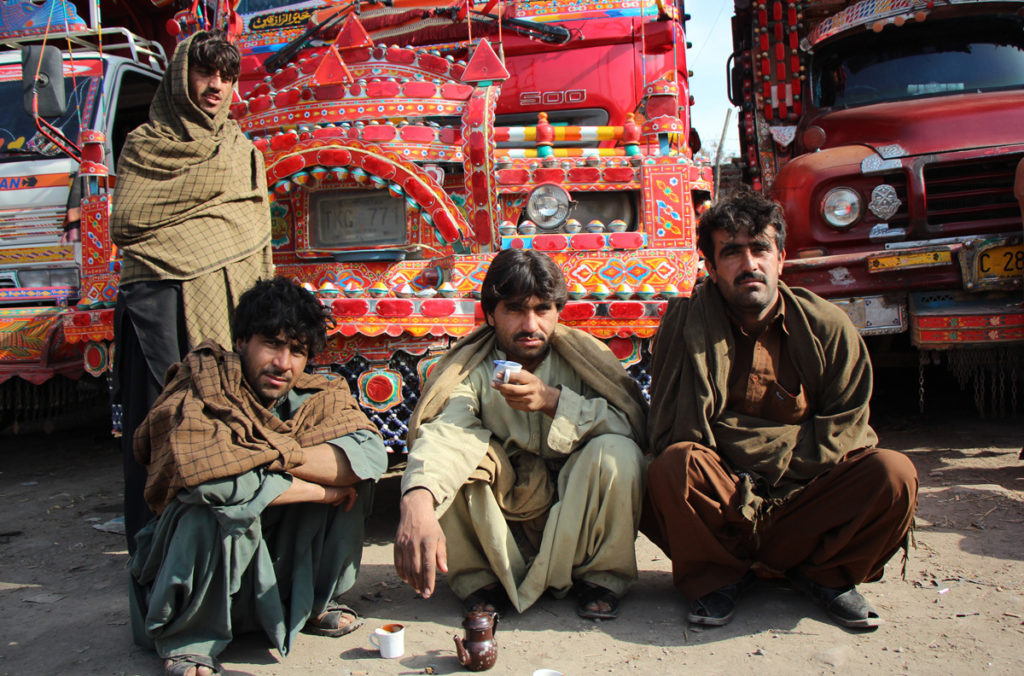
In Pakistan, a gap exists between shippers and truckers which remains unresolved. Along major highways, a common sight is a truck driver resting underneath a truck seeking respite from scorching heat. His agony is magnified by having to wait patiently for his broker to confirm his freight load. At the same time, a shipper has his movements delayed and he wonders who to hold accountable; he is seeking transparency but gets no visibility of his goods in transit to different parts of the country.
Pakistan has more than a hundred thousand truckers; life is a challenge for them as they visit their homes merely twice or thrice a year. A life spent on the roads leads to an unremitting loneliness, discomfort and unrelenting. These are the ordeals faced by truckers, who carry goods worth hundreds of thousands of dollars in a 26 Billion US Dollars annual market. And needless to say that kids in Pakistan do not grow up aspiring to be truckers.
Shippers are faced with structural challenges. Across the journey of road freight, there are loopholes in key nodes including sea ports, dry ports, manufacturing, agriculture, and livestock. Key themes including HSE compliance, transparency, avoidance of in-transit theft, and timely delivery do not get the attention they deserve. Together, these challenges contribute to costing 1 Billion US dollars per annum, impacting more than 3 Million small businesses. Further, intermediaries, with concentration of influence, have entrenched inefficient practices that have cost shippers and truckers dearly. The need for efficiency, and digital transformation to elevate the lives of shippers and truckers enabled the conception of Truck It In. The future is bright and on the road.
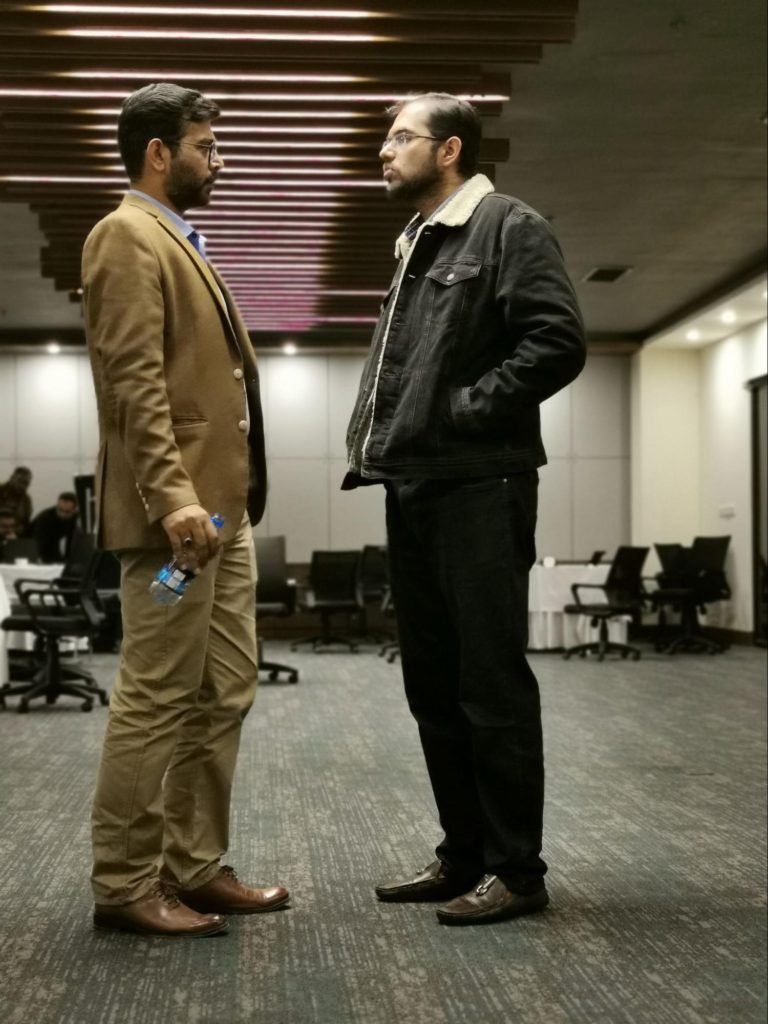
“The opportunity ahead is massive and it can be done; now is the right time. Technology is being leveraged to solve deep rooted challenges with-in the economy. Road freight needs to be simplified and be more accessible,” was the unanimous agreement of the cofounders while discussing the idea for the maiden time in June of 2020. The passion to create impact enabled them to quit their highflying careers during the peak of the first wave of Covid-19 and a few weeks later, they landed in Karachi, with an excitement to eradicate challenges of contemporary trucking industry. The team reminisces about that time fondly, “We landed in Karachi in August, and monsoon was there to greet us. The city was inundated with rain; we braved the treacherous weather and got to Maripur wet to the bone. This projected a little inkling of challenges ahead; but we were hopeful of a fun journey.”
The journey ahead proved that the opportunity and team were a good fit. It began with exclusive focus on inter-city longhaul fulfillment – the commercial and operations teams hustling day and night to create impact and make lives simple for shippers and truckers. We saw good traction which enabled us to expand our footprint to major industrial hubs across Pakistan as well as launching intra-city operations. Over the course of few months, Truck It In has scaled quickly to become a preferred partner offering reliable and efficient services.
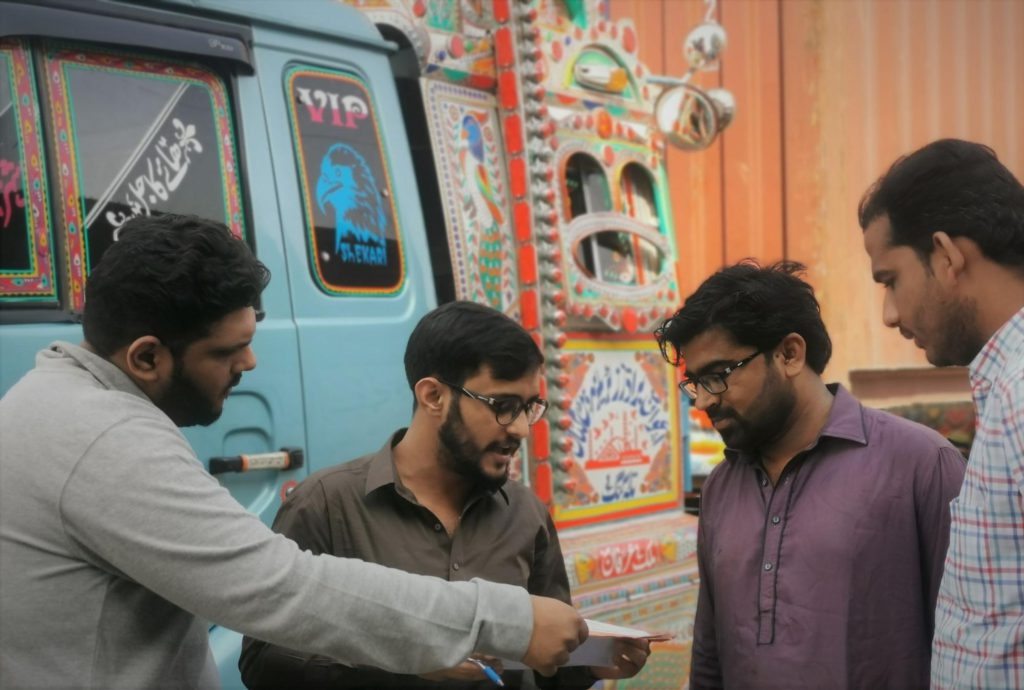
The product was made from the ground up to solve the dilemmas faced by shippers and truckers. The journey, like all parameters in a startup, involves a steep learning curve and the product has already been through a major redesign in October, 2021 to add value in the lives of our users. Driving forces here continue to be rich feedback from shippers and truckers with an acute focus on simplicity and ease of use. To diffuse the technology and reach end users, we delivered multiple trainings and set up support desks across the country.
Shippers have benefitted from increased transparency through our bidding platform and having status updates during the trip journey. The industries benefiting from this have expanded to include Fertilizer, Steel, Cement, Agriculture and FMCGs. This has enabled us to grow our business by 37x in 2021 and create the largest road freight marketplace of Pakistan.
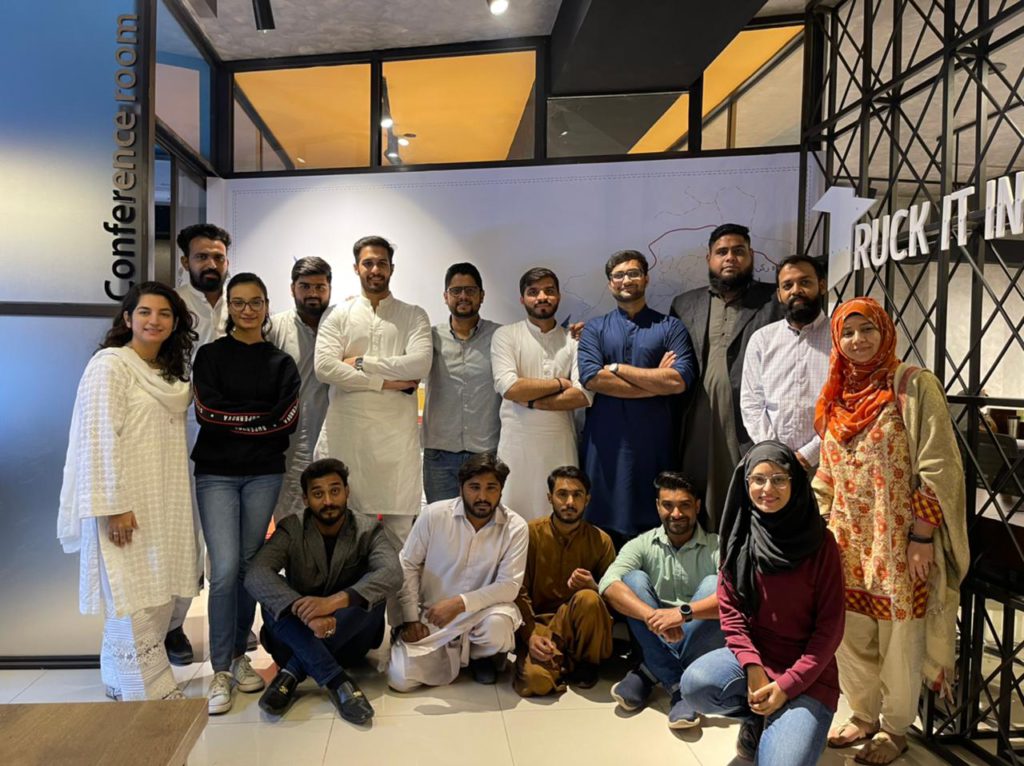
Outstanding experienced and young talented individuals have come together to make this vision a reality. They have undergone a trial by fire, learning and unlearning on the job. The team which consisted of only 10 colleagues in August 2020 now boasts more than 200 people spread across Pakistan delighting shippers and truckers. The team solves challenges everyday and is helped by making a diverse and inclusive workforce around age, gender, education, languages and regions.
We have just taken our first steps in bringing about this transformation. We are ready to face the challenges ahead as we strive to bring improvements into the lives of shippers and truckers. “Our existence is predicated on improving the lives of truckers, enabling them to earn more, and lead better lives. We are enabling shippers to have greater transparency, higher efficiency and improving their supply chains. The change that we are bringing will be transformative for our society,” the co-founders vowed during the recent strategy meeting.

Truck transportation is a $1.45 trillion industry worldwide. That’s more than air, ship, train, or any other individual method of moving goods. Truck drivers around the world have more in common than you might think. They all deal with traffic, long stretches of time away from home, strikes, and more. Similar is the case of Pakistani Truckers.

Operating in a conventional market and harsh conditions truck drivers all across Pakistan face many challenges to earn a living. The life of a trucker is a solitary life as their trips stretch for weeks and at times months away from home. Their trucks are companions in this journey; they build and decorate the trucks with love and passion.
Pakistani Truckers comprise of male wage workers, self-employed operators owning single vehicles purchased on loans from money lenders on exploitative terms (access is restricted to informal finance), and small entrepreneurs who own individually or jointly own 5 to 20 or larger vehicle fleets and lack social benefits coverage.
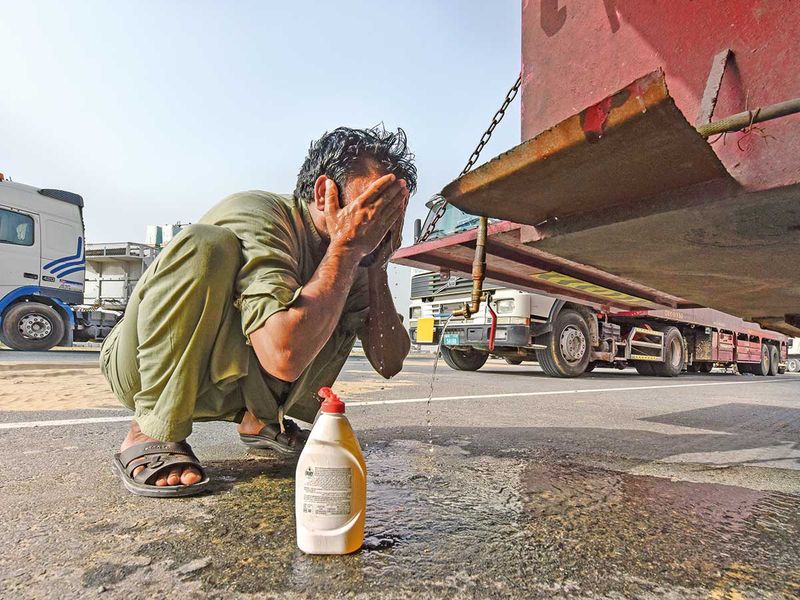
They are the most neglected and underserved people of the industry. The dilemma of the industry is that truckers responsible for moving millions worth of goods are so underpaid that they even struggle on basic necessities. Owing to the lack of trust, structures, and presence of some big fishes the middleman takes the major cut out of their earnings of individual Truckers.
Truck It In dares to change the huge but fragmented logistics market, employing technology to achieve efficiency, better volumes, and lower cost along with improved working conditions of truckers who put in long hours behind the wheel with little respite. With the help of right technology Truck It In enabled the truckers not to get direct loads but it also contributed in establishing trust and transparency in the overall trucking ecosystem that changed the way truckers live.